-
Black tourmaline tumbled stone, 2–3 cm
Regular price From CHF 4.50Regular price From CHF 4.50 -
Faceted Tourmaline Bracelet – Protection, Elegance, and Grounding 🌌
Regular price CHF 37.00Regular price CHF 37.00 -
Tourmaline Bracelet (Faceted) – Protection, Grounding & Positive Energy
Regular price CHF 37.00Regular price CHF 37.00 -
Bracelet for Protection & Energetic Balance – powerful healing stones combined 🖤
Regular price CHF 49.00Regular price CHF 49.00 -
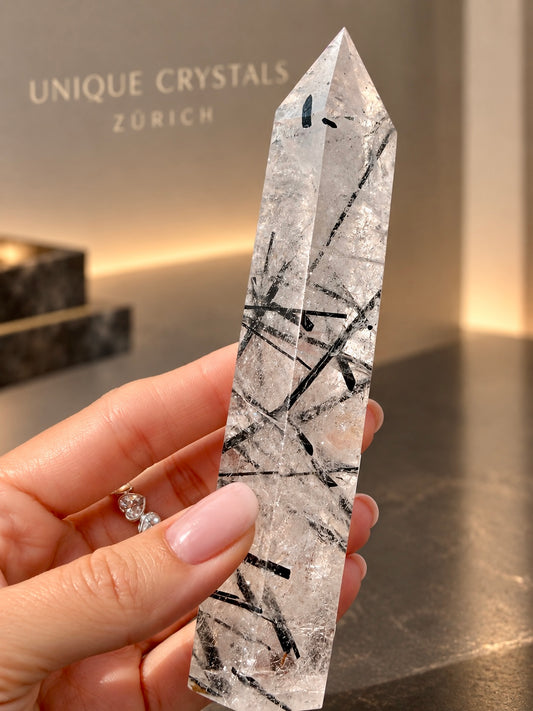
Tourmaline in Rock Crystal Points from Brazil - Premium Quality
Regular price From CHF 38.00Regular price From CHF 38.00 -
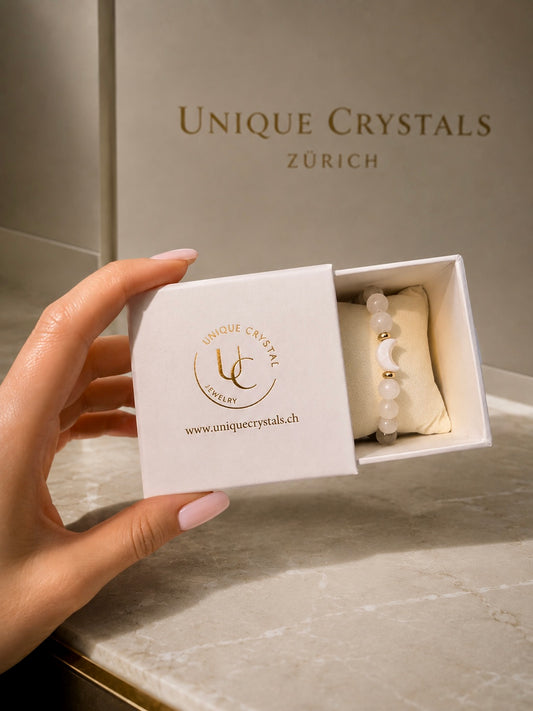
Selenite, Labradorite & Black Tourmaline Bracelet with Mother-of-Pearl Moon
Regular price CHF 29.00Regular price CHF 29.00 -
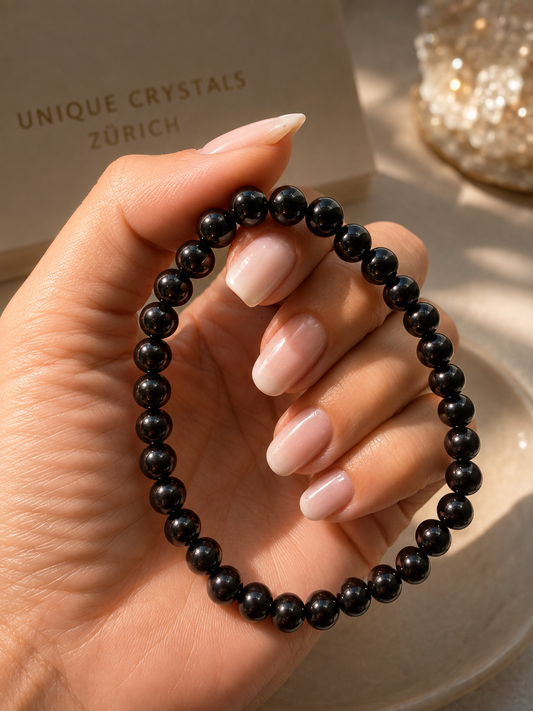
Tourmaline bracelet 6 mm – 16, 18 or 20 cm | women and men
Regular price From CHF 29.00Regular price From CHF 29.00 -
Hand-Knotted Onyx, Obsidian & Golden Obsidian Bracelet | Protection & Grounding 🖤
Regular price CHF 37.00Regular price CHF 37.00 -
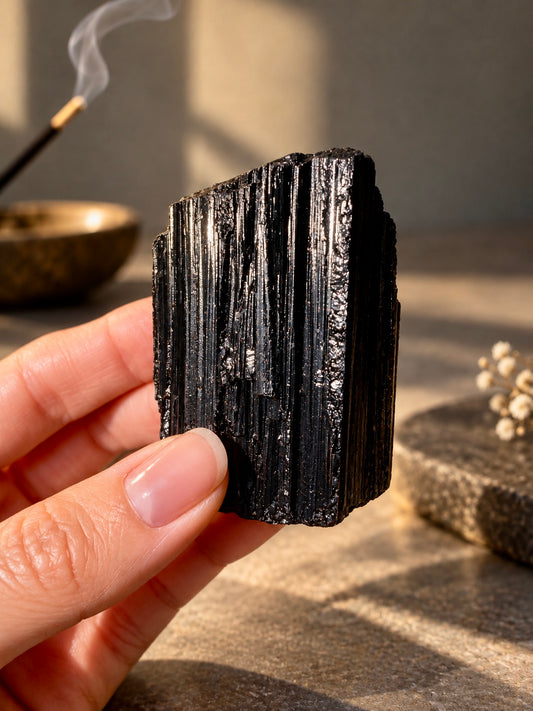
Black tourmaline raw stone – Natural protection & strong earth energy 🖤 | 715 g
Regular price CHF 99.00Regular price CHF 99.00 -
Raw Black Tourmaline Stone from Brazil – 3 premium protection stones
Regular price CHF 35.00Regular price CHF 35.00 -
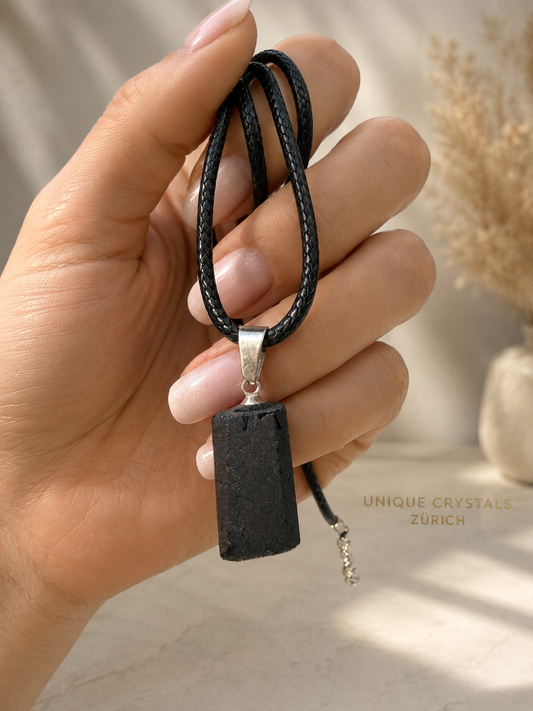
Black tourmaline pendant, natural stone, 2.9 cm
Regular price CHF 12.00Regular price CHF 12.00 -
AAA tourmaline quartz sphere with large rainbow reflections – 13 cm, 3,55 kg
Regular price CHF 4,990.00Regular price CHF 4,990.00 -
Faceted Tourmaline Bracelet – 3 mm | 17 cm
Regular price CHF 35.00Regular price CHF 35.00 -
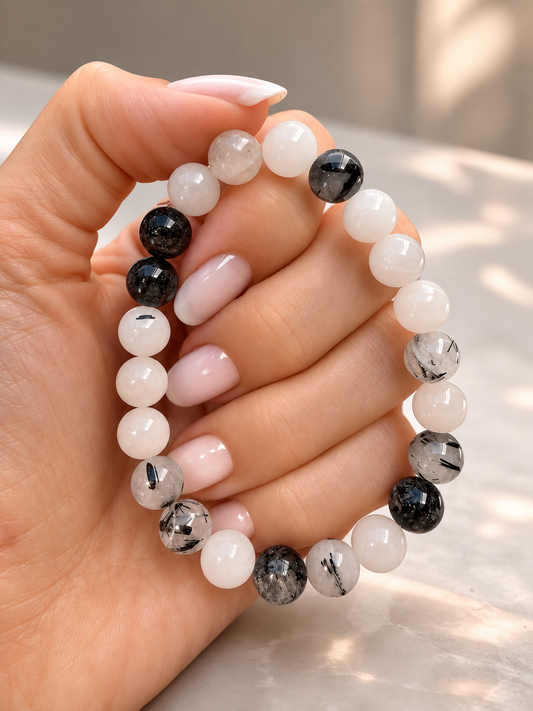
Black Tourmalinated Quartz Bracelet • Natural Tourmalinated Quartz • 8 mm • Unisex
Regular price CHF 25.00Regular price CHF 25.00 -
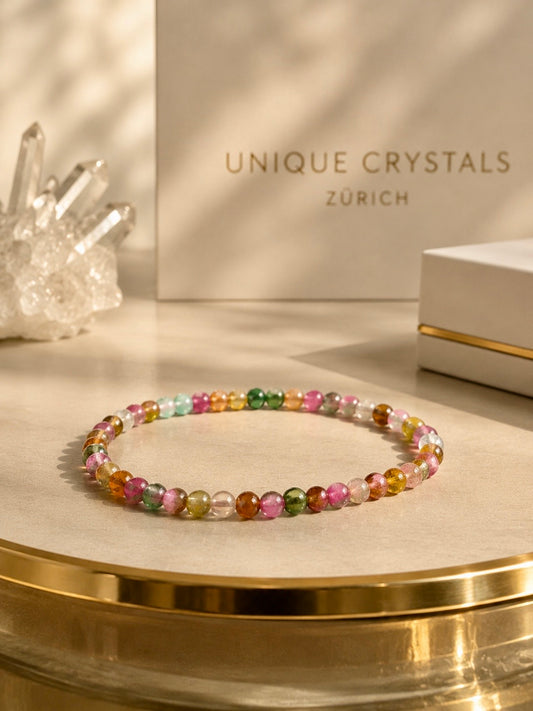
Multicolor tourmaline bracelet, 4 mm, high-quality gemstone beads
Regular price CHF 79.00Regular price CHF 79.00 -
Tourmaline Bracelet (Faceted) – Protection, Grounding & Positive Energy
Regular price CHF 37.00Regular price CHF 37.00 -
Faceted Crystal Bracelet with Silver or Gold Hardware
Regular price CHF 35.00Regular price CHF 35.00 -
Hand-Knotted Tourmaline Bracelet – Protection, Balance & Positive Energy
Regular price CHF 37.00Regular price CHF 37.00 -
Black Tourmaline Chip Bracelet | Black Tourmaline 17 cm
Regular price CHF 35.00Regular price CHF 35.00 -
Black Tourmaline Protection Bracelet 6 mm – Protection, Grounding & Inner Strength
Regular price CHF 37.00Regular price CHF 37.00 -
Enchanting quartz crystal point with golden brown tourmaline inclusions ✨
Regular price CHF 149.00Regular price CHF 149.00 -
Faceted Tourmaline Gemstone Chain – Hand-Knotted with Alien Head 👽✨
Regular price CHF 49.00Regular price CHF 49.00 -
Green tourmaline pendant 925 silver – Delicate, 2.3 cm
Regular price CHF 79.00Regular price CHF 79.00 -
Clear Quartz Sphere with Black Rutile Needles 🖤 - 4.7cm, 147g
Regular price CHF 249.00Regular price CHF 249.00 -
Exclusive rock crystal point with rutile & tourmaline – 13.2 cm, 272 g – gemstone from Brazil
Regular price CHF 125.00Regular price CHF 125.00 -
Rock crystal point with rutile needles & tourmaline – 12 cm, 356 g – exclusive quartz from Brazil
Regular price CHF 125.00Regular price CHF 125.00 -
Rock crystal point with tourmaline & rutile needles – 10.5 cm, 426 g from Brazil
Regular price CHF 149.00Regular price CHF 149.00 -
Huge rock crystal point with black tourmaline – 30 cm, 2,94 kg
Regular price CHF 790.00Regular price CHF 790.00 -
Rare Quartz point with Tourmaline from Brazil - 11cm, 529g
Regular price CHF 149.00Regular price CHF 149.00 -
Exclusive clear Quartz point with Tourmaline from Brazil - 15cm, 531g
Regular price CHF 159.00Regular price CHF 159.00